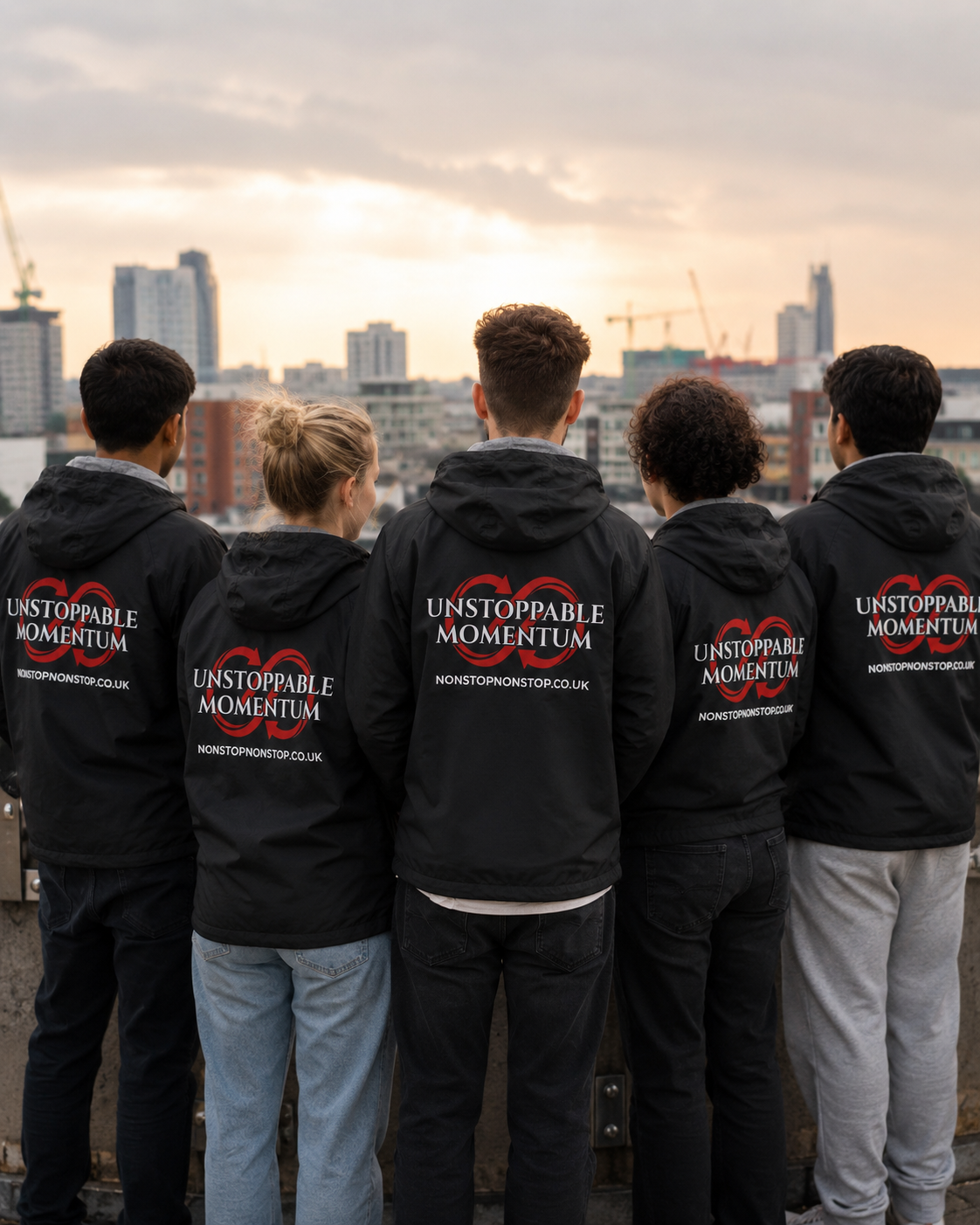

The fear cycle
Research consistently shows many young people carry weapons because they feel unprotected. In high-risk areas the decision is a fear response long before it is a criminal one — and enforcement alone doesn't touch the fear.

The data · 2026
Youth violence and unemployment in the UK, set out plainly — and the human stories the figures leave out. This is why we do what we do.
The reality
Figures for England and Wales, most recent full reporting year. Each one represents thousands of individual lives.
Recorded across England and Wales in a single year.
Lives ended. Families and communities changed permanently.
Under-25s admitted with assault by sharp object.
Sources: Office for National Statistics and NHS Digital. Figures are for the most recent full reporting year available. See the ONS data.
Behind the numbers
Understanding why a 15-year-old carries a knife matters more than counting how many do.
Research consistently shows many young people carry weapons because they feel unprotected. In high-risk areas the decision is a fear response long before it is a criminal one — and enforcement alone doesn't touch the fear.

When youth facilities and mentorship programmes are cut, young people lose the support network that gave them identity and safety. What replaces it is rarely better. Positive guidance isn't a luxury — it's the alternative.
Shattering the stigma
Most public conversation about youth violence starts from assumptions the evidence doesn't support.
“It's purely a gang problem.”
A significant proportion of young people carry weapons out of fear. It's frequently a defensive response to feeling unprotected by their environment, not gang affiliation.
“Tougher sentences stop violence.”
Evidence points to early intervention, direct mentorship and legitimate economic opportunity as far more effective deterrents than punitive measures on their own.
“They don't want help.”
When offered genuine, accessible and legal routes to earn income and gain professional respect, engagement in community programmes is overwhelmingly positive.
At a glance
The scale gap between offences and outcomes is what makes early intervention worth funding.
The current reality
Recent reporting from around the UK. This is the environment our young people are navigating right now.
A 15-year-old boy was killed after an altercation involving machetes spilled out from a local house party onto Towpath Walk in Hackney. Despite emergency efforts, he died at the scene. A murder investigation is ongoing.
Read the full reportOfficial figures show youth unemployment climbing to 14.7%, the highest in more than ten years. The number of 16–24 year olds not in education, employment or training has passed one million.
Read the full reportWhat we do about it
Every figure on this page is a young person who could have been given a different option. That's the whole job.
Contact
Whether you want to join us, partner with us, or just find out more — we'd rather hear from you than not.
Fill this in and we'll come back to you. No question is too small.